Making entrepreneurship easier and more joyful with digital services
My role
As the Head of the SMBs Department, I led both strategy and day-to-day operations — from defining product vision and managing P&L to building in-house teams for marketing, support, and data-driven growth
My team
~30 people on Your Business, inside a department I grew from 8 to ~100
The problem
In 2019 MTS (think Vodafone) served a corner shop the way it served a bank. There were no tariffs for small business. Sales went through personal managers, and every service was tied to a corporate account. Entrepreneurs did not trust big players to understand them.
Our challenge was to earn the trust of entrepreneurs who had never been a priority for a telecom giant, and to make serving them profitable.
The idea
We set out to build one storefront with every digital service a small business needs. Let owners try any service for free to build trust, and switch it on without a sales call to keep the cost of serving them low. Start them with one service and grow from there, so each customer becomes worth more over time.
To understand where to start, we went to entrepreneurs first.
- 22 in-depth interviews with entrepreneurs
- An online panel of 900 people
 Soft launch
 results
The first version went live in January 2020 with 3 services. By the end of the year it had beaten both of its targets.
- 660K
- unique visitors,
against a plan of 450K - 99K
- service activations,
against a plan of 75K
What is next?
We bet on a wider product line and cost-effective acquisition. Each new service solved one more job for an owner and gave a reason to add a second tool. We grew from 3 services to 8, then 13 by year three.
With demand proven, our strategy was to win at least 30% of the SMB market.
What we built
Every service lived in one account: one login, one saved card for all payments and one dashboard to see what each service cost. If money was tight, an entrepreneur could pause a service, keep all their data and come back to it later. Together, the services covered the main jobs of a small business, from registering a company to finding new clients.
Where they came from:
- MTS Ecosystem productWe repackaged strong MTS products, from banking to video surveillance, into simple offers for small business.
- Developed by our teamWe built our two main entry points: WorkZen, a task tracker with a CRM, and IP telephony. Almost every small business needs one of them.
- External partner's integrationFor other needs, we brought in the best products in their class, all under one login and one account.
- Register a company Partner's integration
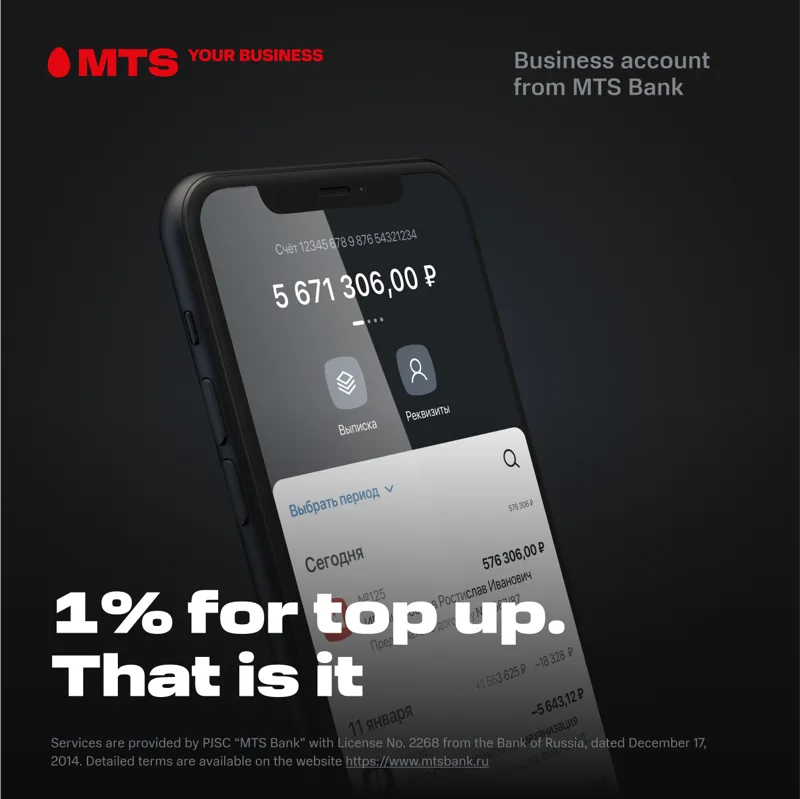
- Open a business bank account MTS Ecosystem
- Organize team operations Read the caseDeveloped
- Manage and handle client calls Read the caseDeveloped
- Accept payments from clients, online and offline MTS Ecosystem
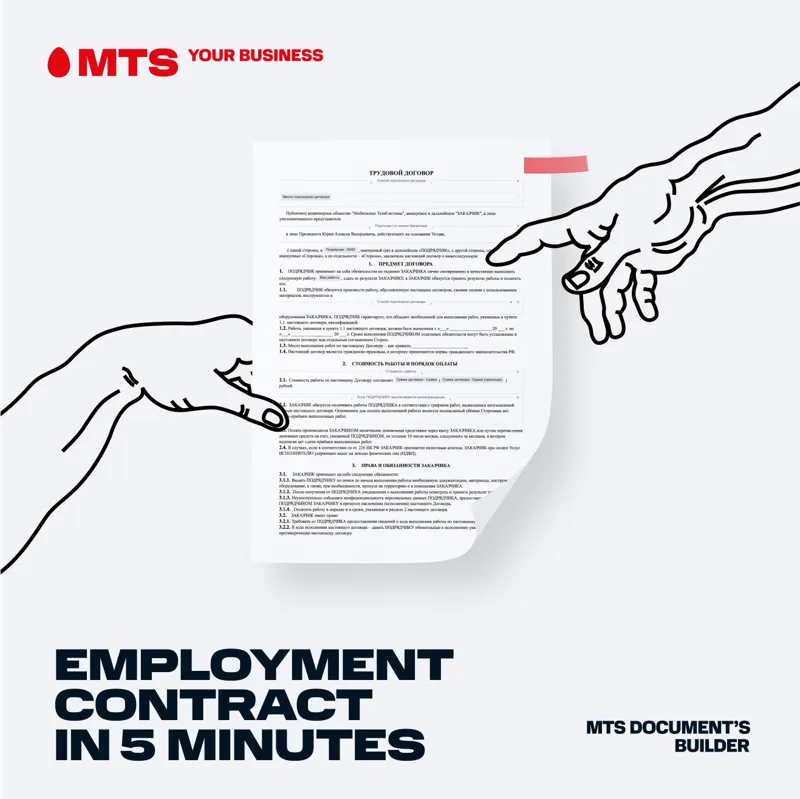
- Create contracts and manage document workflows MTS Ecosystem
- Access online accounting services MTS Ecosystem
- Launch advertising on telecom operator inventory MTS Ecosystem
- Create custom loyalty programs for clients Partner's integration
- Implement video surveillance for offline stores MTS Ecosystem
- Use geo-analytics to plan business expansion MTS Ecosystem
- Run online advertising campaigns Partner's integration
- Verify business partners Partner's integration
Beyond the storefront
The storefront was the visible part. Around it, we built the business.
- We opened the first fully digital sales channel for business customers in MTS history.
- I owned pricing and unit economics for all 13 services.
- I grew my department from 8 to ~100 people.
Results
- 1.2M
- entrepreneurs visited
the storefront - 350K+
- entrepreneurs switched on
at least one service - 26%
- of customers activated a second
service from their account - €15M
- in annual revenue for MTS,
built from zero
How we achieved it
A repeatable way to bring partners in
We designed a process that took a partner's product onto the storefront in about six weeks. First a usability audit, then packaging and pricing, then integration into the customer account with one login, one saved card and shared notifications, and finally a launch campaign.
One voice for everyone
We wrote a tone of voice for the storefront, and internal and external partners used it for their own products.

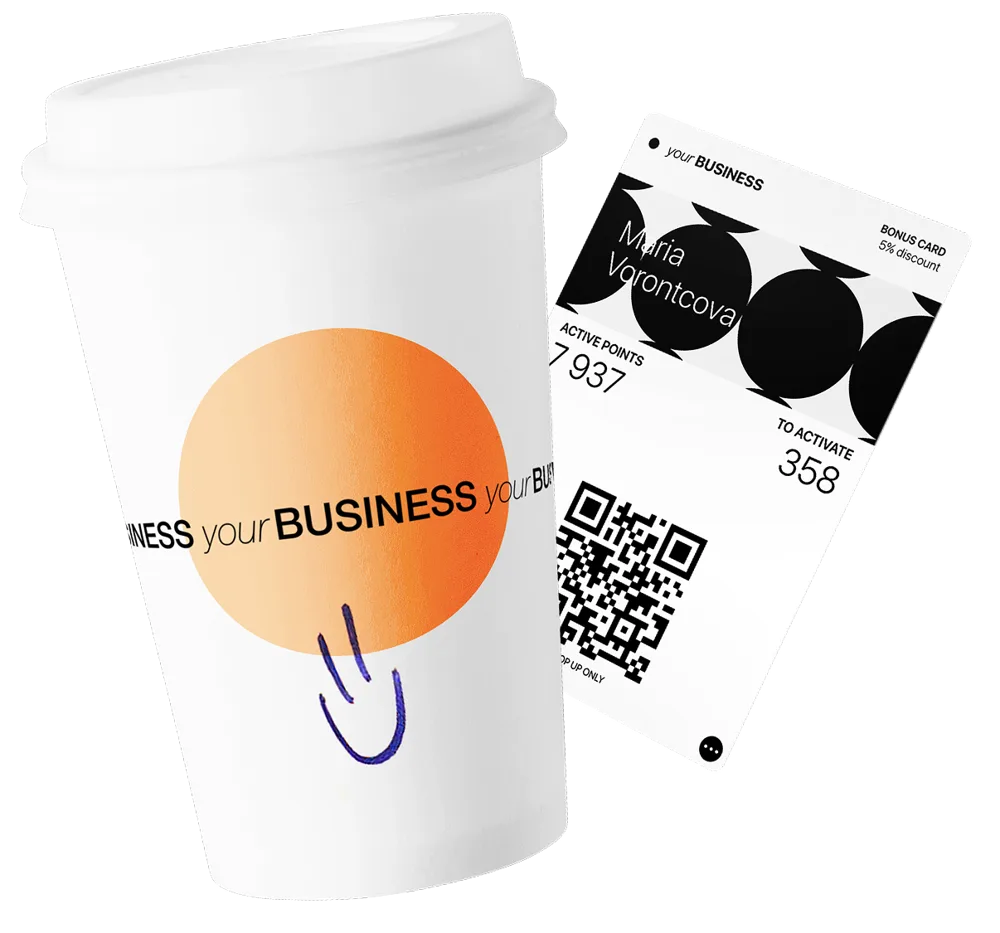

A reverse trial
We gave entrepreneurs the full product from the first minute, with no payment and no onboarding call. They saw the value first and decided later. After the trial, they moved to a monthly subscription.
Four clicks from ad to trial
One in four people who reached a service started a trial. Here is the path, on the example of our loyalty programme service:
-
Discover through an ad
Each ad spoke to one specific problem. A click meant the owner wanted it solved.
-
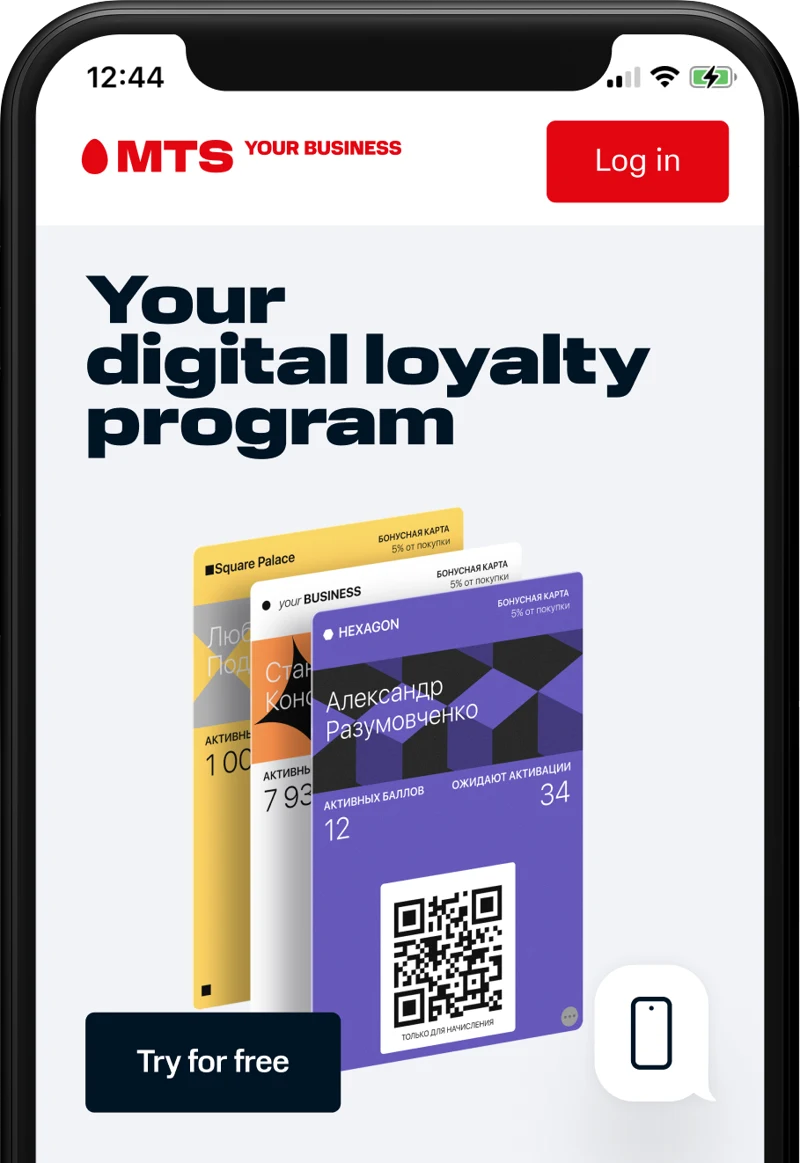
Visit the service landing page
The landing page explained in plain words how the service works and why it fits, and led to a free trial.
-
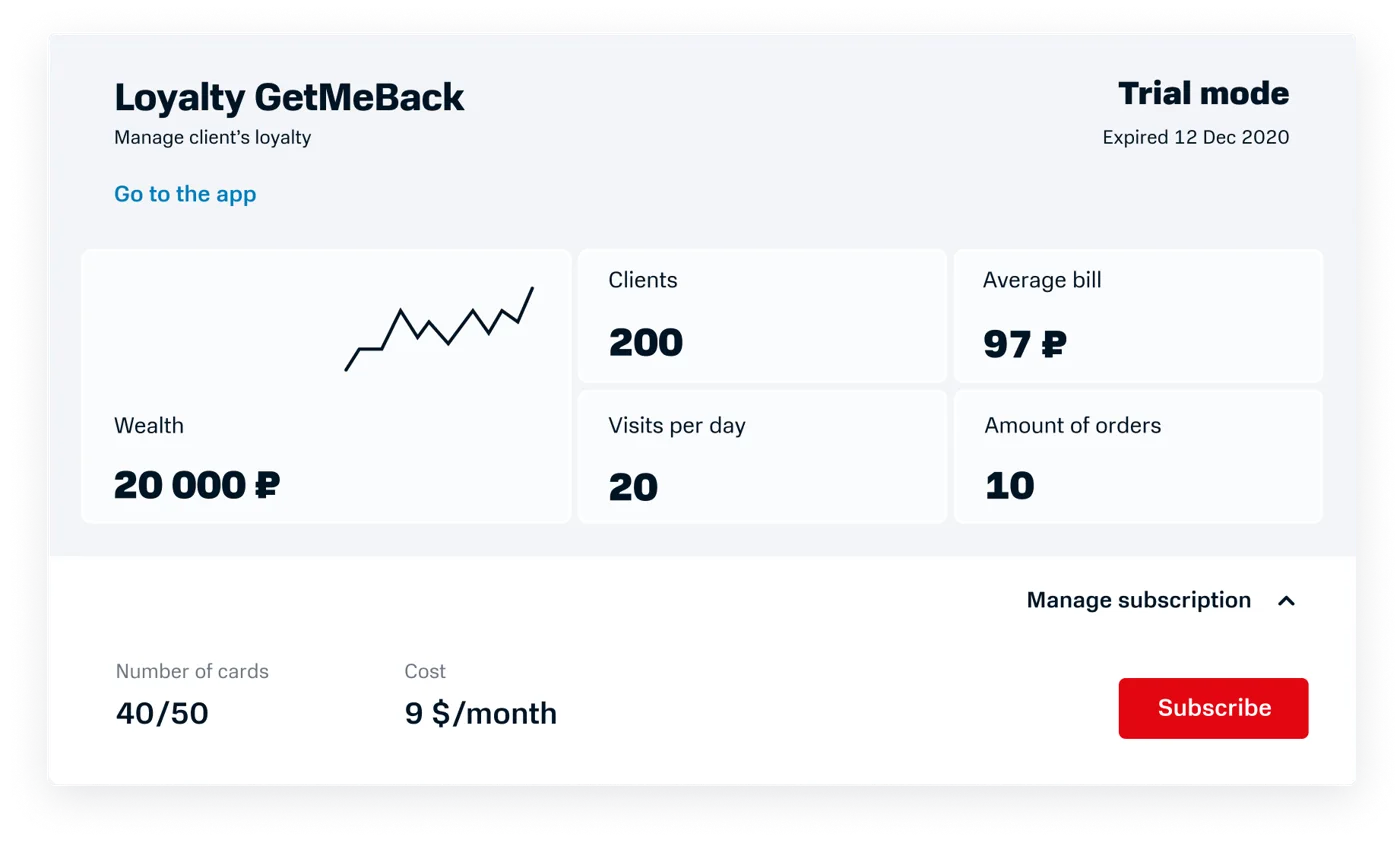
Access a service on a trial basis
Most customers already had an MTS number, so sign-up took one step: the phone number.
-
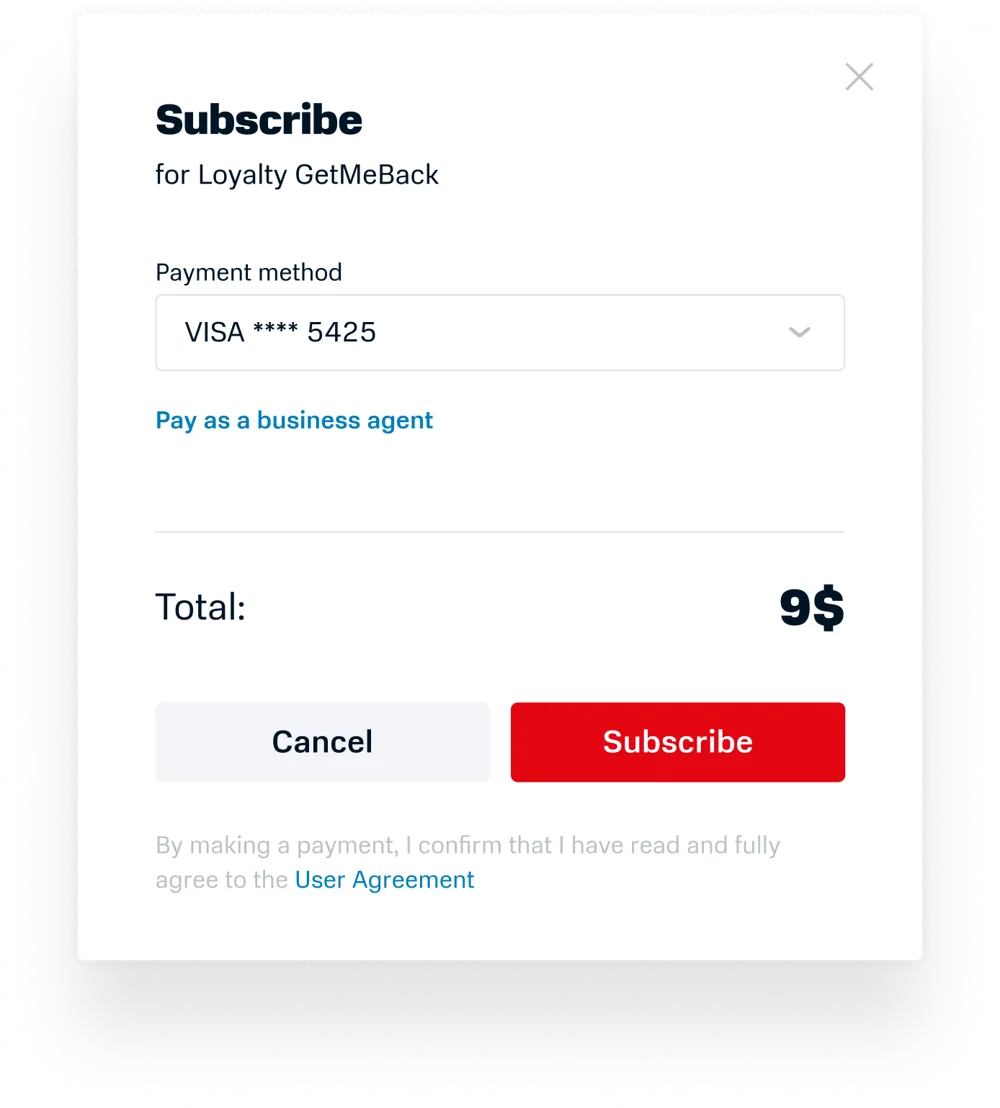
Subscribe if satisfied!
After the free trial, customers moved to a monthly subscription, the core of our model.
Marketing that followed the cheapest door
At any moment we sent paid traffic to the landing page with the lowest cost per acquisition. Once people were inside, we offered them more advanced services. This kept the budget flexible and gave us a path to grow revenue per customer.

Takeouts
Working with entrepreneurs taught us that trust matters as much as product quality. To be relevant, we had to speak their language, address real needs, and prove our value quickly. We learned that simplicity in user experience is not a compromise — it's a conscious choice that requires deep thinking and strong execution.
We also saw how important it is to align product strategy with marketing: only by managing the full user journey could we create sustainable growth. And finally, we understood that adaptability is more powerful than sticking to a plan — many of our best decisions came in response to how real users behaved, not from what we assumed in the beginning.
Through this work, we also came to deeply appreciate the role entrepreneurs play — not only in the economy, but in the everyday life of each city. We felt genuine respect and admiration for our audience, and it was a privilege to build something meaningful for them.